
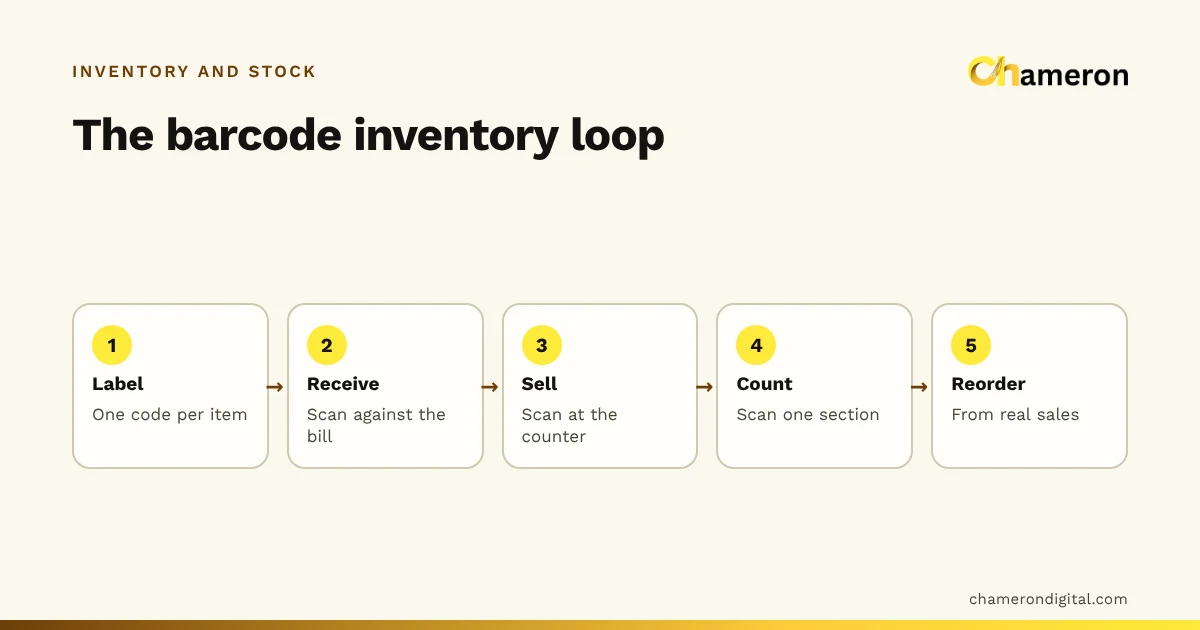
Barcode Inventory Management Explained: Labels, Scanners and Counts
Barcodes do not manage stock on their own; scanning at every movement does. Here is how to run labels, scanners, receiving and counts so the records match the shelf.
Blog · 12 articles
Stock is usually the largest amount of money a shop has tied up, and the hardest to see. Inventory management is the habit of knowing what you have, what it is worth, how fast it moves and when to buy more.
Start with the basics, then use the worked examples and calculators to put numbers on your own stock: turnover, stock value, reorder points and safety stock.
Barcodes do not manage stock on their own; scanning at every movement does. Here is how to run labels, scanners, receiving and counts so the records match the shelf.
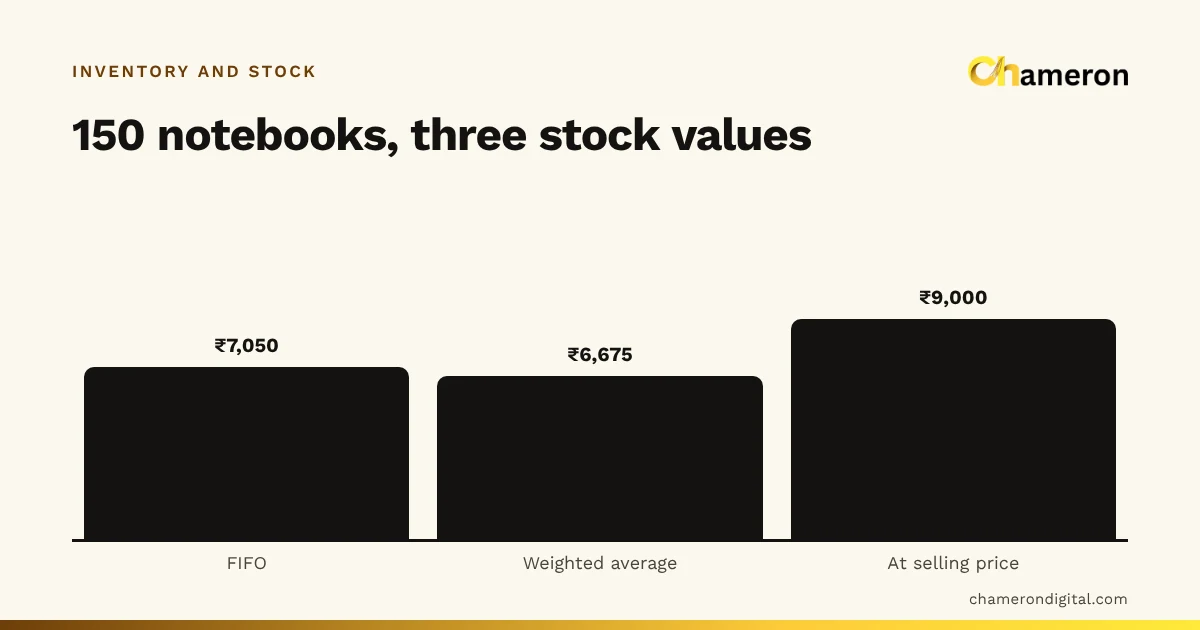
Stock value is the quantity on hand multiplied by what each unit cost you. The hard part is deciding which cost to use when prices change. Here are the methods, worked through with real-looking numbers.
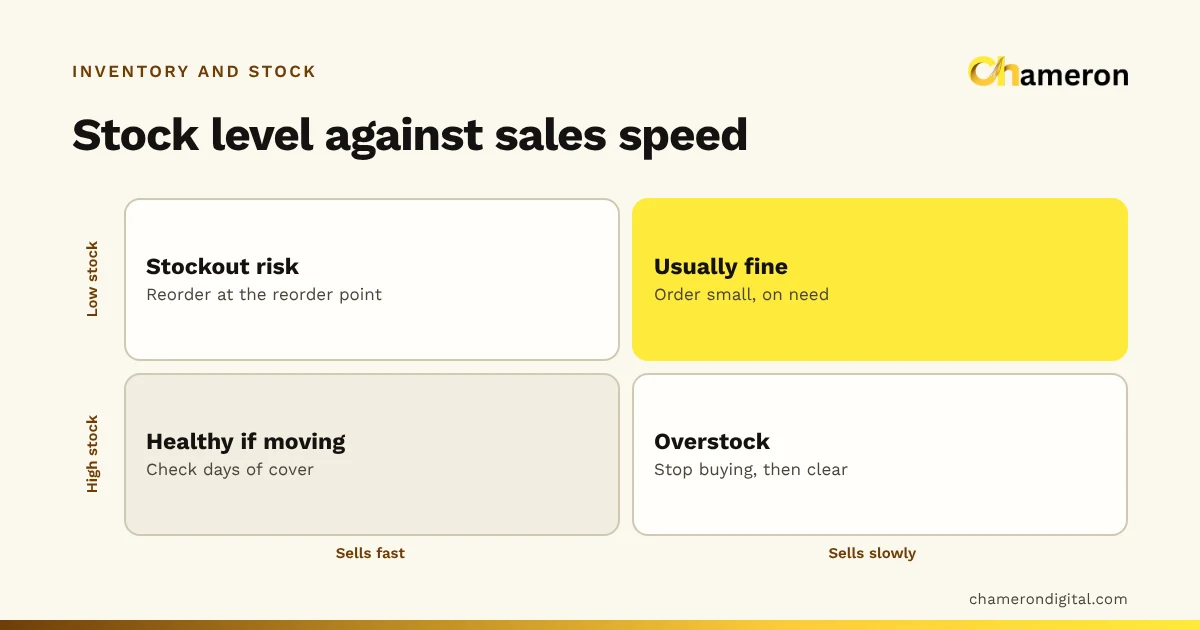
Running out and having too much are two symptoms of the same problem. This guide shows how to sort your items, set stock levels from real sales, build a review routine and clear the overstock you already have.
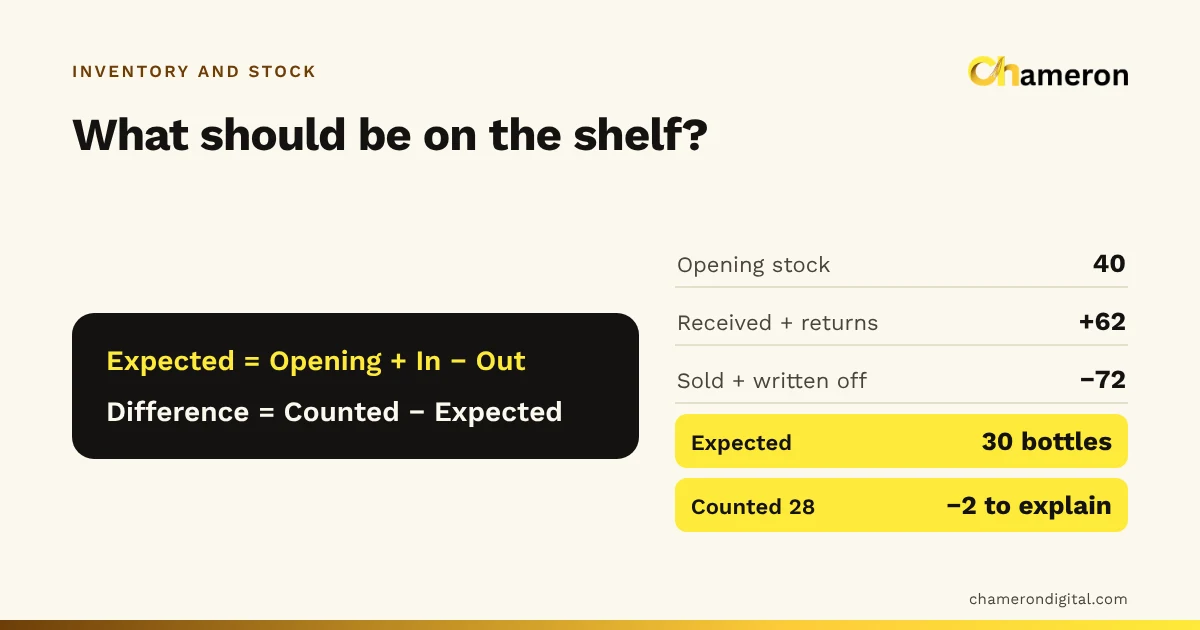
Efficient inventory tracking is not about counting more. It is about capturing every movement once, at the point it happens, and checking the record in small regular counts.
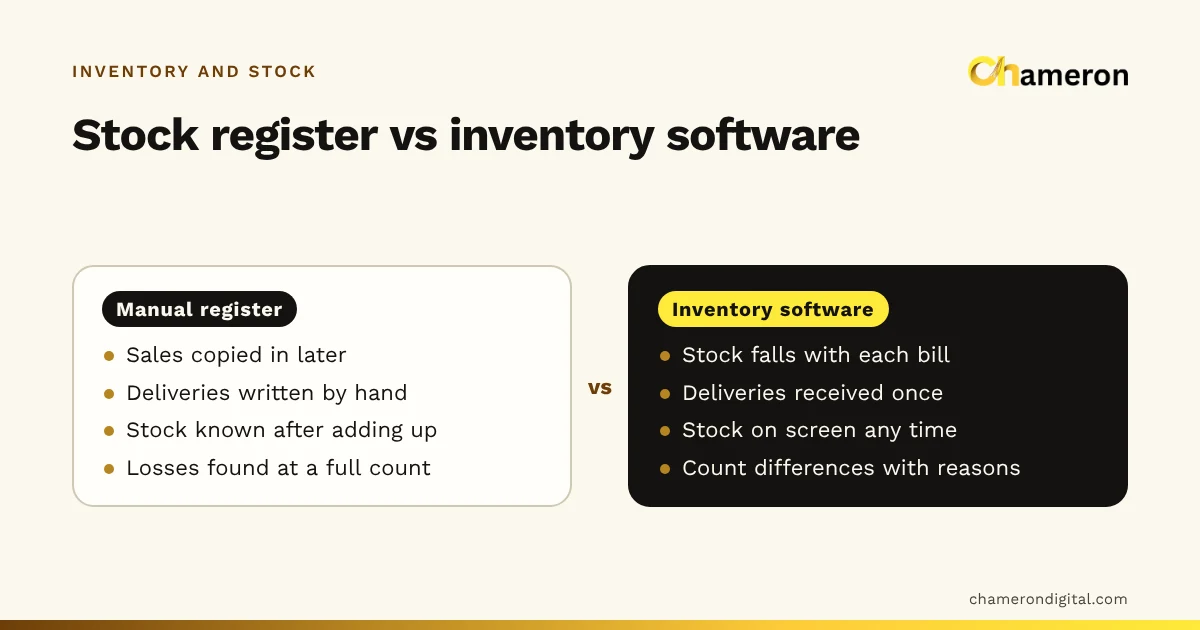
A stock register costs almost nothing until the shop grows. Here is how to compare the real cost of manual stock-keeping with software, and when switching makes sense.
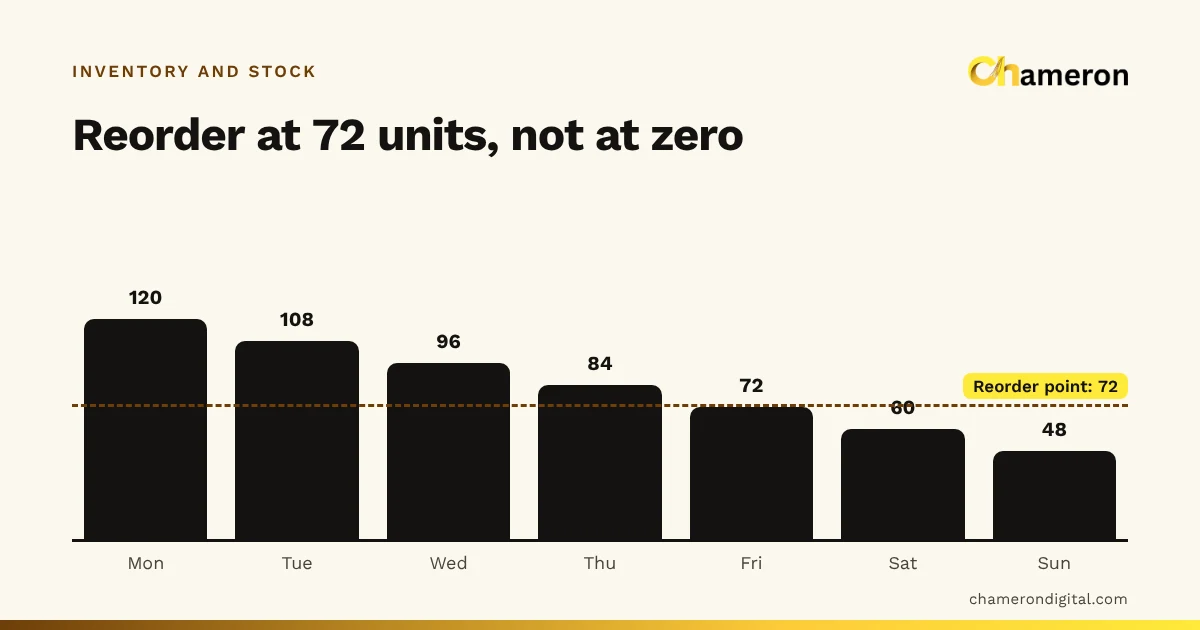
Reorder when the stock left will just cover sales until the delivery arrives, plus a buffer. Here is the formula, how to choose the buffer, and how to adapt it for seasons and weekly supplier visits.
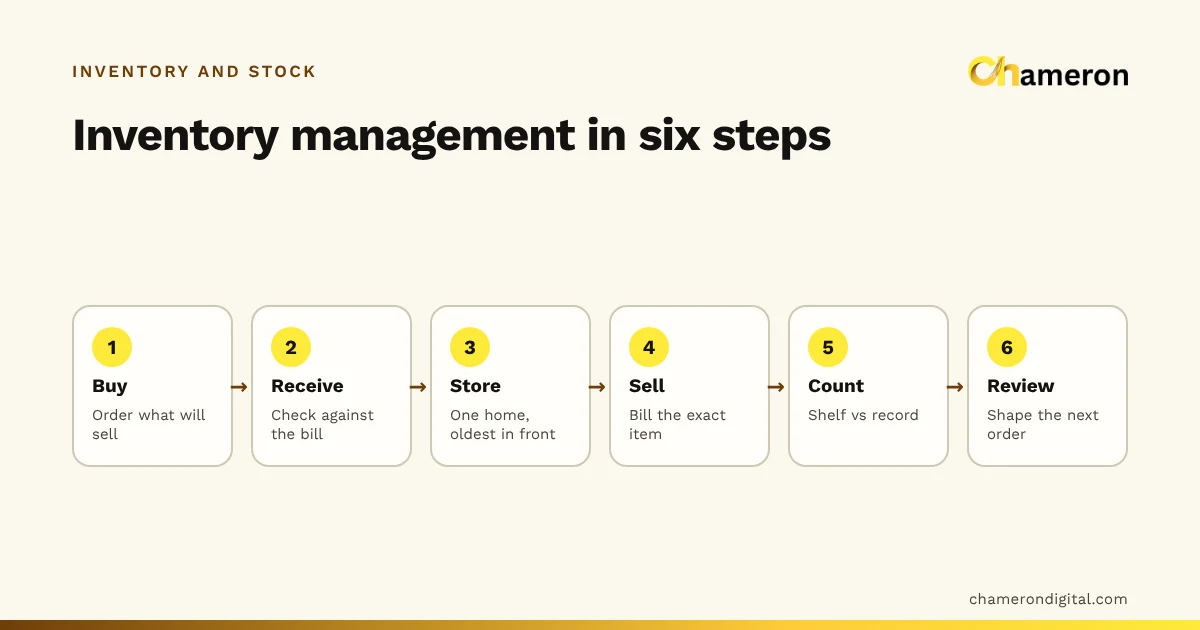
Inventory management is the work of buying the right stock, recording every movement and checking the record against the shelf. Here are the stages, the main methods and the numbers that show whether it is working.
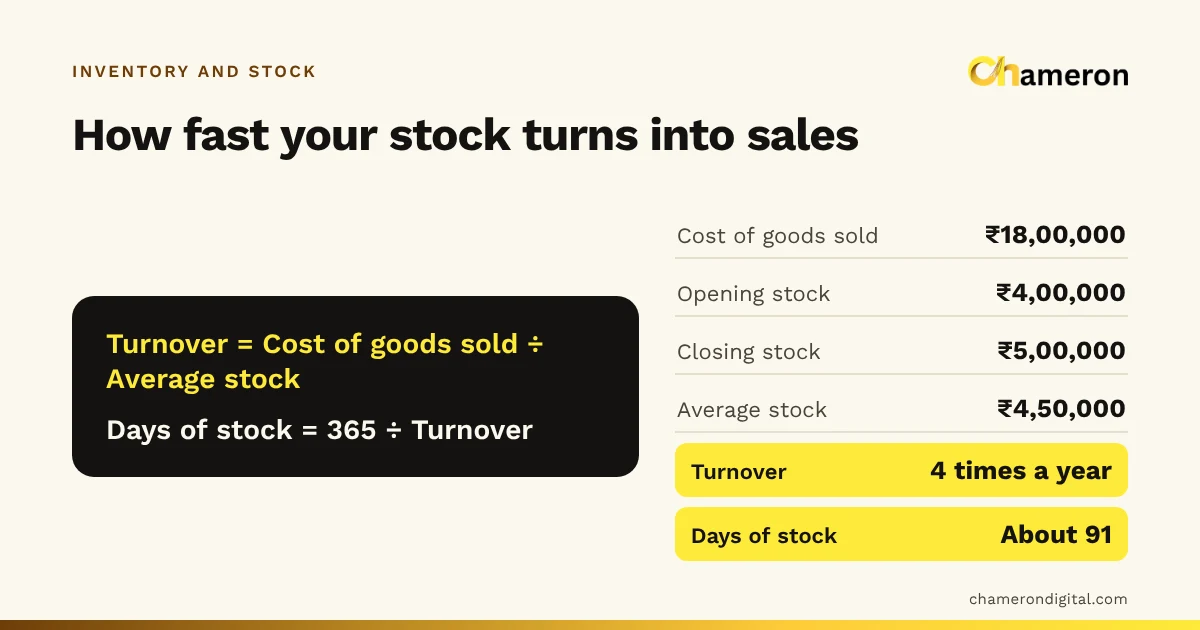
Inventory turnover tells you how quickly the money in your shelves comes back as sales. Here is what the number means, what a high or low figure is telling you, and practical ways to improve it.
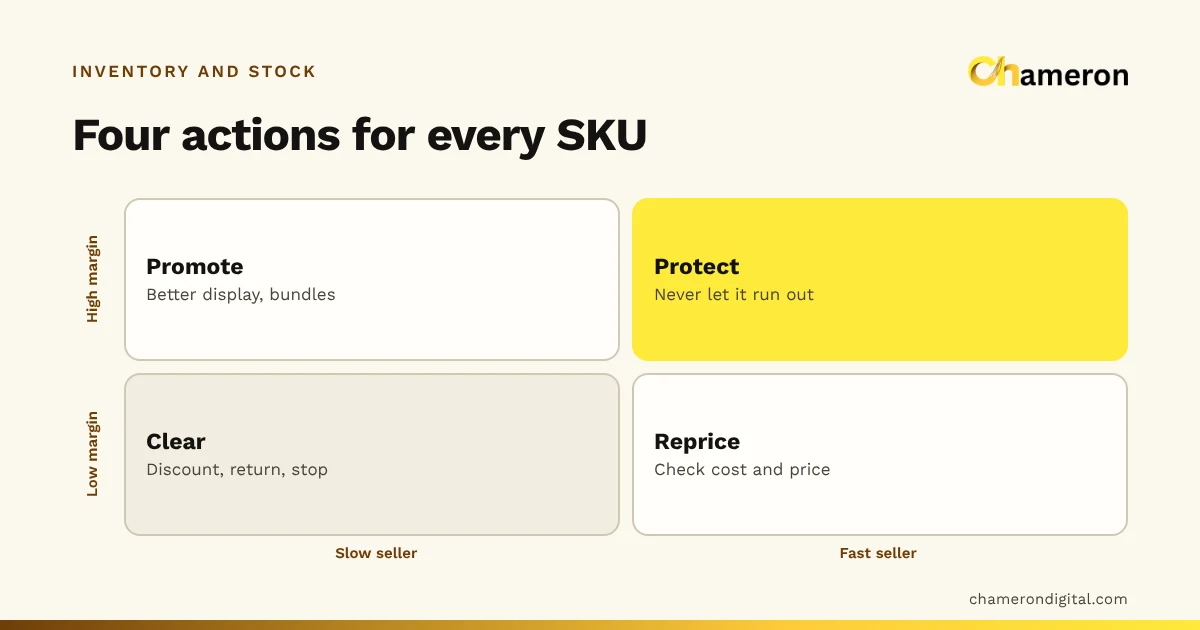
An SKU is only useful if it is managed: created once, kept clean, tracked for sales and stock, reviewed and eventually retired. Here is how retailers do each step.
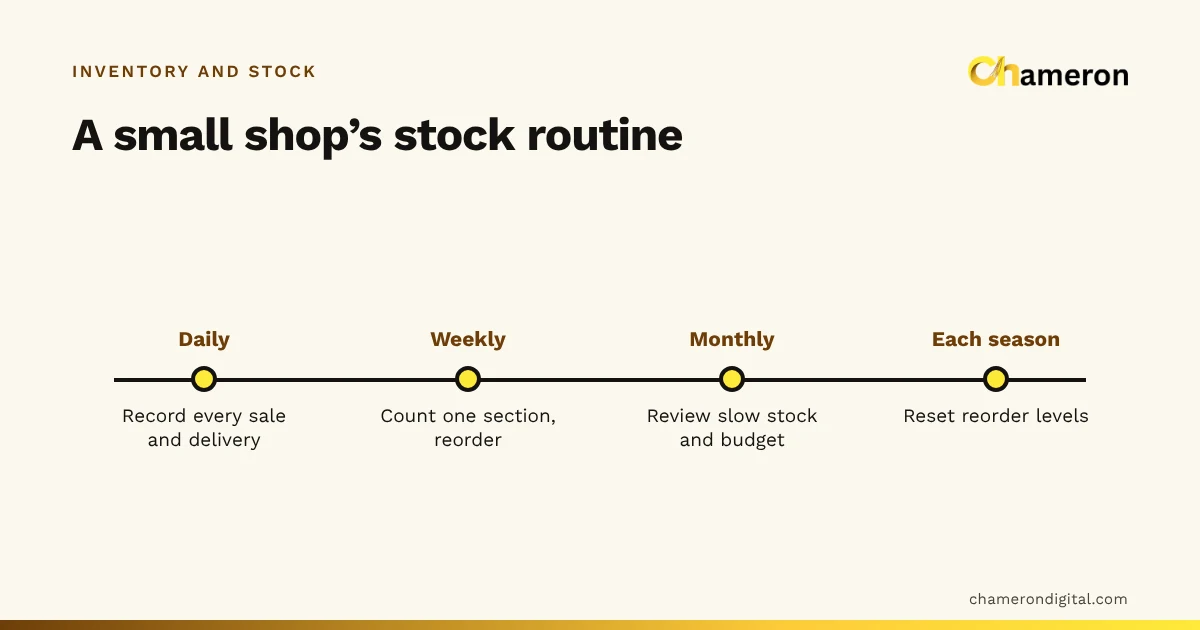
A small shop does not need a warehouse system. It needs a clean item list, an opening count, a buying budget and a few short routines that everyone follows.
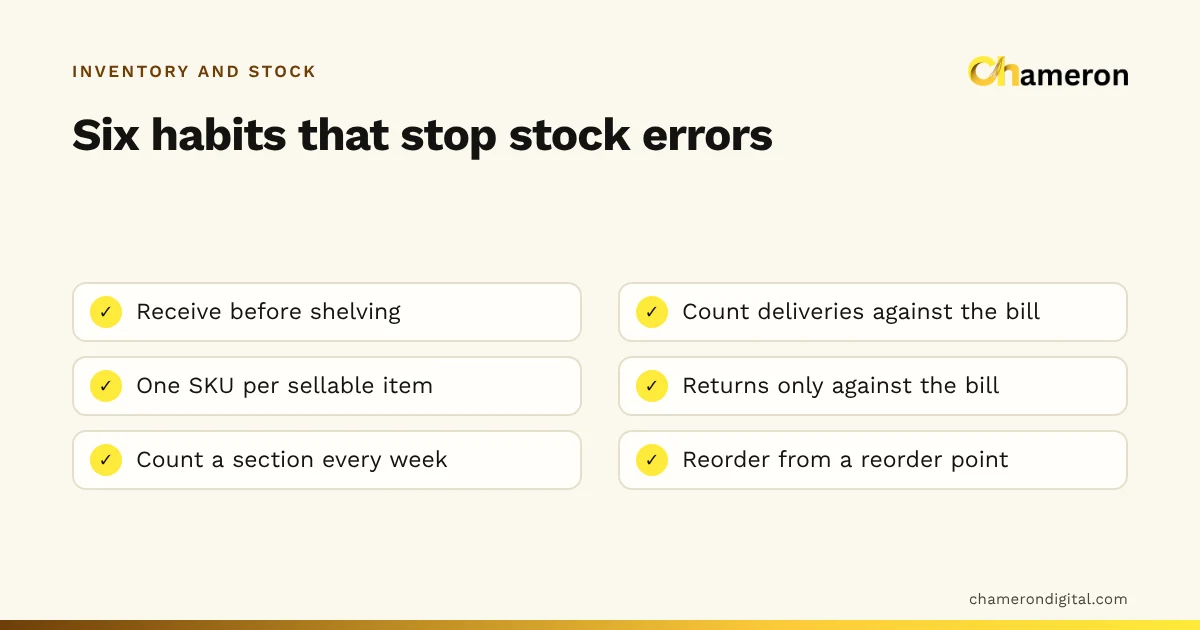
Most stock problems come from a handful of everyday habits. Here are ten of them, what each one costs in rupees, and the fix that stops it.
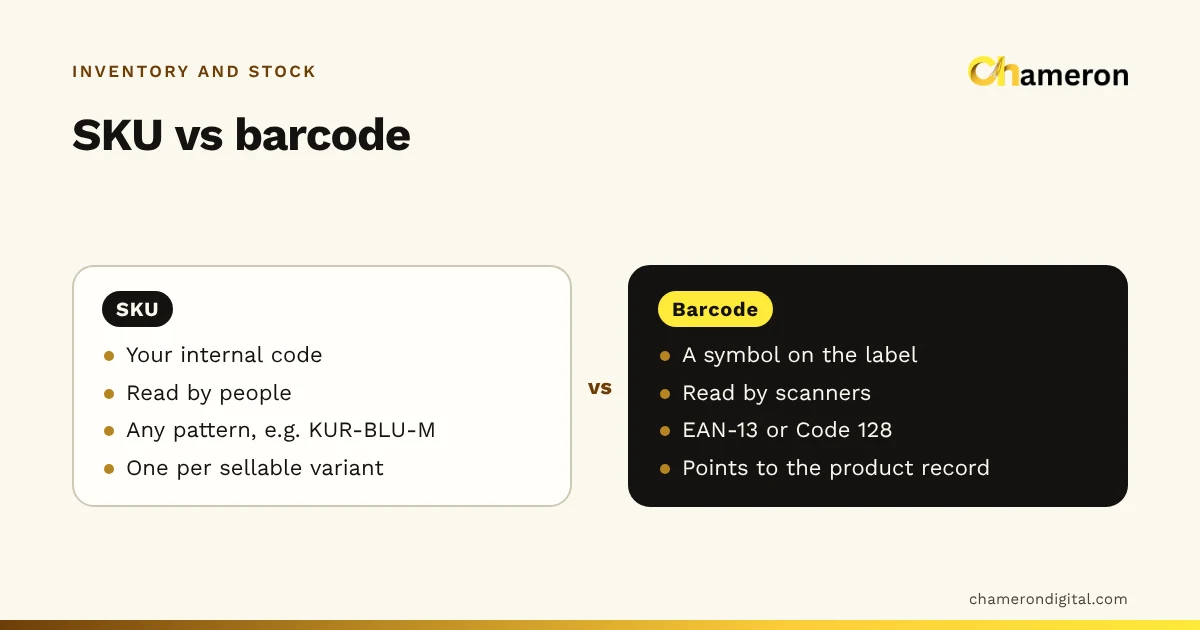
A SKU is the code your shop gives an item; a barcode is how a scanner finds it. Here is how the two differ, how they connect in the product record, and how to set them up so every scan finds the right size and colour.
Free calculators